Pirinplast donates 5,000 medical waste containers to hospitals in Bulgaria
April 3, 2020
Biodegradable utensils
September 17, 2020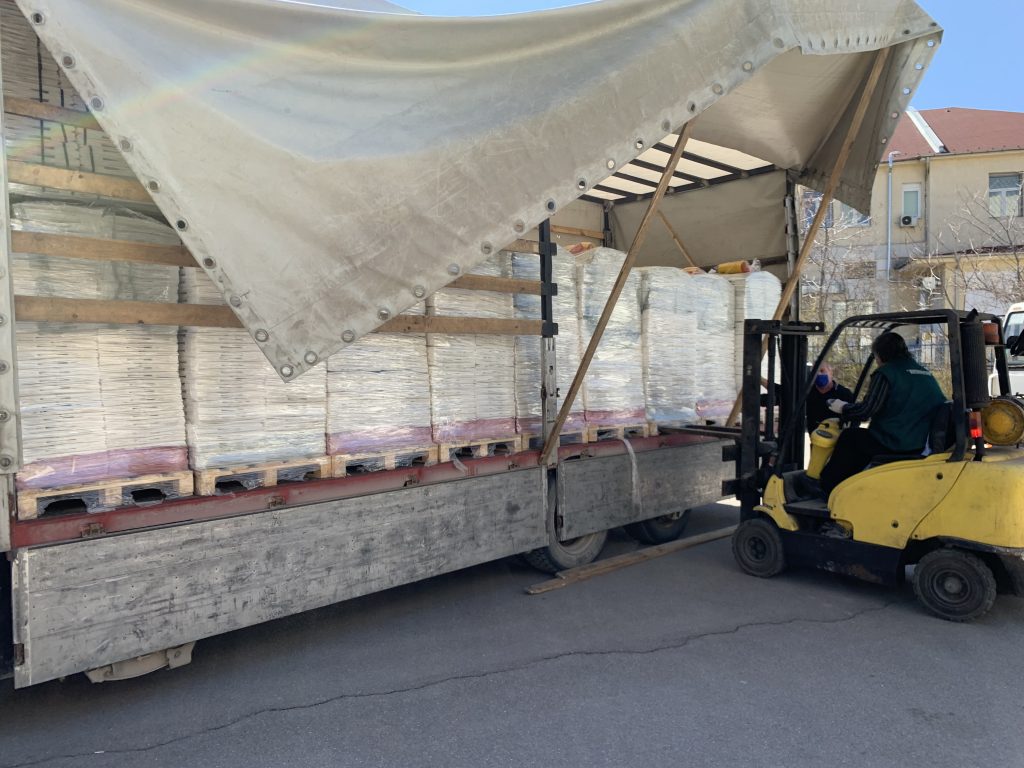
The donation and its distribution
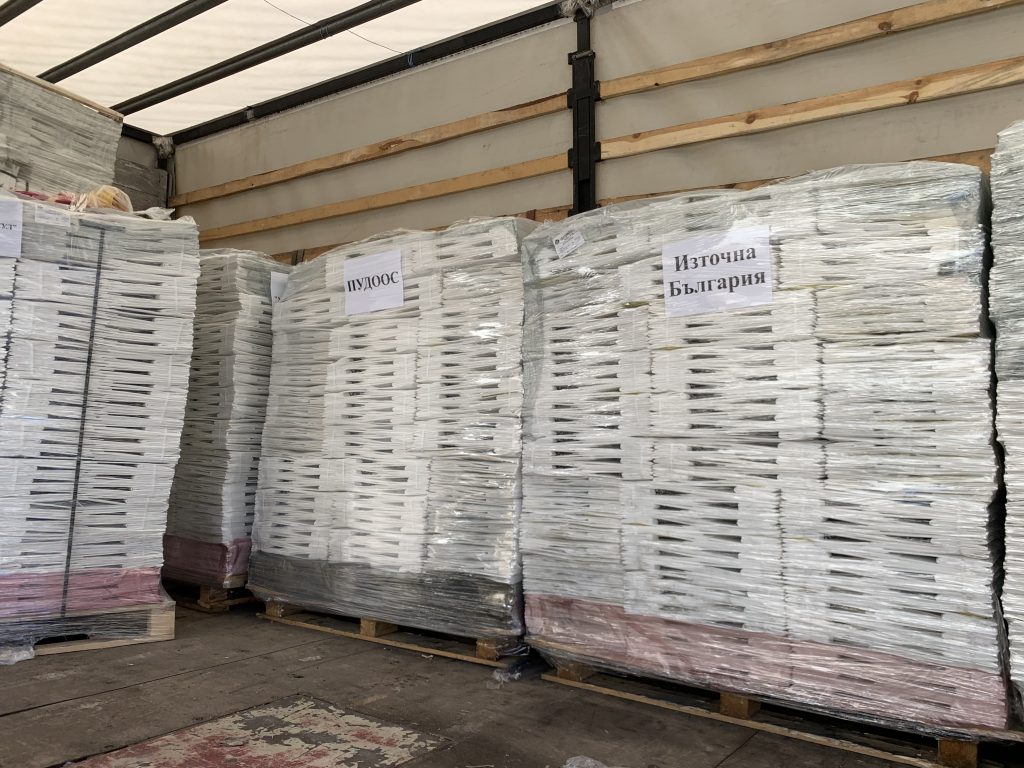
A full truck with over 5,000 containers for medical waste was donated two weeks ago to hospitals in Bulgaria.
The Minister of Environment and Water and the executive directors of the hospitals accepted the donation in front of Alexandrovska Hospital on April 8, 2020. It was then immediately distributed to the hospitals. This event suddenly revealed how great the need for such containers is in Bulgarian hospitals. They were distributed very quickly so that they could be put to use immediately and protect medical staff in particular.
The lack of containers for medical waste in Bulgarian healthcare
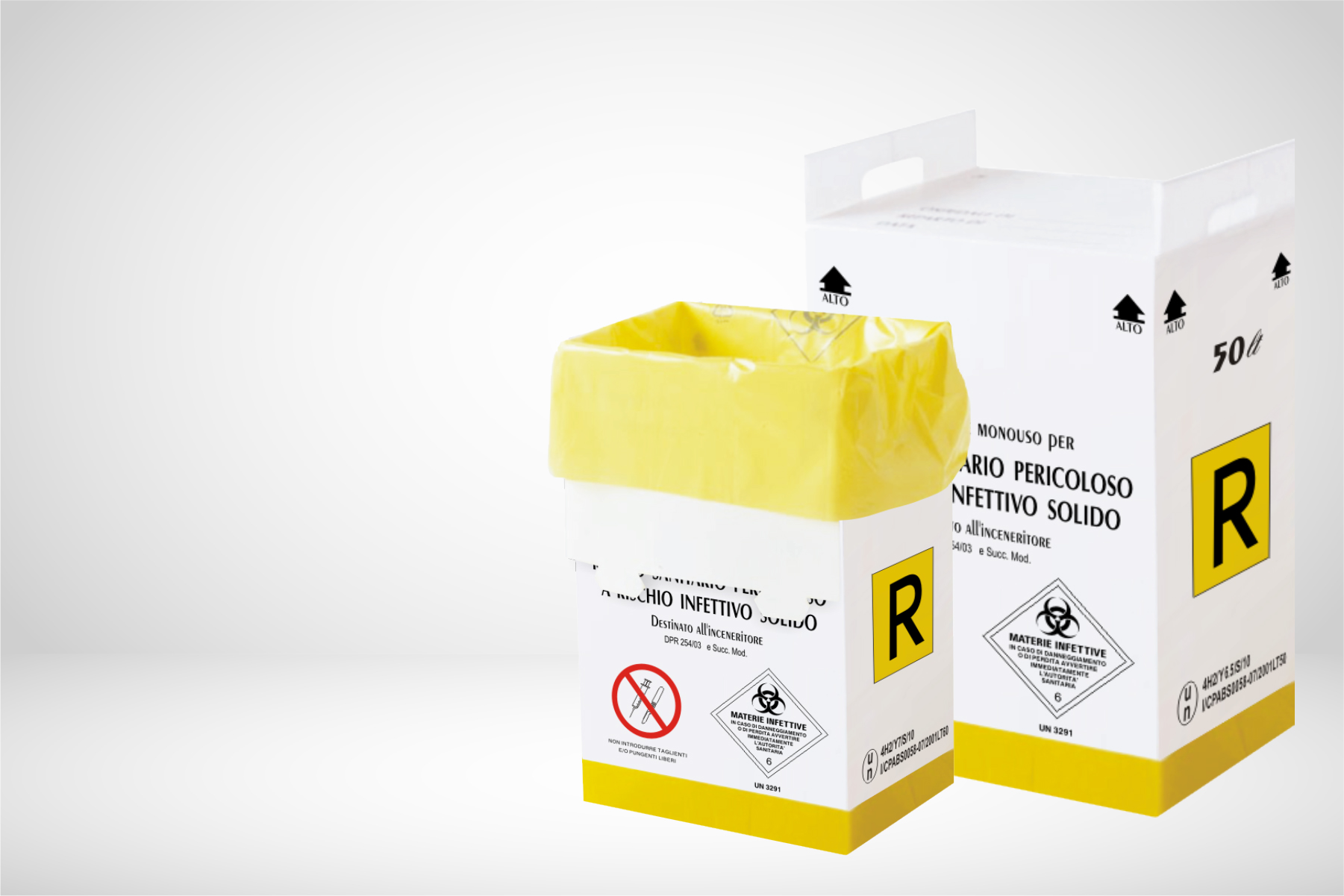
The medical waste containers manufactured at the Pirinplast plant in Gotse Delchev are mainly exported to Europe. The Italian market, for example, has always been a leading market for Pirinplast. Companies from other European countries, such as France, also place orders for containers for different types of waste.
Unfortunately, it has been observed that Bulgarian hospitals still do not use containers for the specific storage of infectious and sharp waste. This is also evident in the way waste is collected separately in Bulgaria. However, the benefits of introducing such containers for different types of waste at this critical moment are numerous. This calls for a more stringent national plan for waste collection in hospitals and industrial companies.
Why should they be implemented in Bulgarian healthcare and industrial companies?
Waste from healthcare facilities, laboratories, and activities related to coronavirus patients must be handled and treated in accordance with EU waste management legislation (in particular Directive 2008/98/EC on waste, and more specifically Articles 12, 23, 24, and 25 on hazardous waste) and national regulations (applicable to this category of infectious waste), taking into account the latest guidance provided by the European Centre for Disease Prevention and Control (ECDC) and national health authorities.
Member States should ensure that treatment capacity and, where necessary, storage capacity for medical waste are properly planned. In the event of a disruption in treatment due to a lack of dedicated disposal or incineration capacity for medical waste, it is of paramount importance that the waste is stored safely on a temporary basis until the capacity issue is resolved. Storage should be in sealed containers in secure areas where access is restricted to authorized personnel only.
The regulations of the European Environment Agency have not changed despite the coronavirus situation. However, they are not being complied with by Bulgarian institutions.
How is the West doing?
In the West, on the other hand, there is a sector that specifically works on dealing with huge amounts of hazardous waste. Its storage and processing is carried out specifically by a coordinator.
According to Canadian hazardous waste expert Terry Guymond, disposing of materials in the wrong place, in the wrong packaging or container can be risky and expensive. One of the concerns when it comes to improper waste disposal in healthcare is the risk of workplace injuries. The Green Care community quotes Terry Guimond: "I often hear about environmental/housekeeping staff cutting themselves with scalpels or pricking themselves with needles because these items were in the trash when they should have been disposed of in a sharps container.
People working in landfills or recycling sorting facilities can find themselves in improper disposal situations like this. The same is true in final treatment facilities, where they face the same risks," says Terry.
Reviews, application, and benefits
However, hospitals that acquired a large number of these medical waste containers were extremely satisfied with their quality. But above all, they were pleased with the fact that they help limit the spread of infection.
Let us recall that the campaign targeted hospitals that are at the epicenter of the outbreak in Bulgaria and are in greatest need. These containers are specially designed for sharp and infectious waste and are certified according to European standards for the transport of dangerous goods (ADR).
After using the containers, hospital managers said they were extremely suitable for work. They are convenient in intensive care units, i.e., in resuscitation rooms. According to them, the plastic container in which the nylon bag with the infected waste is placed protects the staff. They also said that transporting the waste outside the ward and storing it temporarily is easier and safer.
The benefits of stricter collection of different types of waste using this type of container will allow hospitals to operate in a significantly safer environment. In an emergency situation, when all activities are focused on limiting the spread of the COVID-19 virus, separating hazardous hospital waste from the rest of the waste stream and storing it in a specific manner are among the key measures necessary to prevent the spread of infection.
A better future
The responsible institutions must consider implementing future environmental safety regulations. As we have seen, there are many benefits to regulations for stricter collection of different types of waste using this type of container. These institutions are obliged to introduce rules for the protection of the environment and the workplace.
When the type of waste is known—whether it is recyclable, biomedical, or chemical—it is possible to determine the most appropriate way to store it in order to reduce the risk to staff and patients. This also ensures that waste is collected and packaged in accordance with EU regulations, while ensuring a safe and healthy planet.
The Pirinplast team is working tirelessly to help its industrial customers become more resilient during the global pandemic. We are striving to focus on limiting the spread of the virus and restoring the Bulgarian economy.